Why People Are Turning to Medical Weight Loss

A woman in workout clothes sits on grass near water, drinking from a water bottle and wearing earphones. Text beside her reads, Why people are turning to medical weight loss.

Managing weight is an essential part of maintaining a healthy body.

Being overweight can contribute to health issues such as type 2 diabetes, high blood pressure, heart disease, strokes, and kidney disease according to the National Institute of Diabetes and Digestive and Kidney Diseases.

At Solstice Health, we know that starting a weight loss program on your own can be difficult, scary, and uncertain. This is why we offer medical weight loss, currently at our Wisconsin location.

What Is Medical Weight Loss Essentially?

Our Medical weight loss program, in Wisconsin, concurrent with the promise of no surgeries and prescriptions, is personalized for each patient. It includes regimented exercises and diets prescribed by a medical professional, and weight loss is monitored. This ensures it is done safely.

The diets tend to be more intensive in cutting down on specific caloric intakes in the beginning and then, after thorough progression, the patient is gradually allowed to eat a wider variety. We also focus on using the “ideal” protein foods, which you will learn more about.

Is Medical Weight Loss For Me?

Currently, medical weight loss is an alternative form of therapy for people who want to forgo surgery to reduce their weight issues.

If you feel you need help in creating those healthy lifestyle choices, if you need guidance, if you are looking for an entirely natural solution based, this is for you.

Medical weight loss is a proven and safe way to lose weight, and that is reflected as more of these programs are being created every year, with similar rates of success. Their natural approach helps people shed excess weight without the potential issues that surgery or dietary tablets can give.

Do you suffer from one of these Symptoms? It Could Be Diabetes

A woman looks concerned, resting her head on her hand. Next to her, text reads: “Do you suffer from one of these symptoms? It could be a sign of diabetes.”.

Diabetes is the condition in which the body does not properly process food for use as energy. Most of the food we eat is turned into glucose for our bodies to use for energy. The pancreas makes insulin to help glucose get into the cells of our bodies. When you have diabetes, your body either doesn’t make enough insulin or can’t use its own insulin as well as it should, which causes sugars to build up in the blood. This results in an abnormal metabolism of carbohydrates and elevated levels of glucose in your blood and urine.


Types

There are two main types of diabetes.

  • Type 1 Diabetes: The body does not produce ANY insulin.
  • Type 2 Diabetes: The body does not produce ENOUGH insulin for proper function.

Approximately 90% of patients with diabetes suffer from type 2 diabetes making it much more common than type 1.


Causes

Causes of type 1 diabetes include autoimmune, genetic, and environmental factors such as a virus. Causes of type II diabetes include older age, obesity, family history of diabetes, prior history of gestational diabetes, impaired glucose tolerance, physical inactivity, and race/ethnicity.


Symptoms

Some people, especially those with prediabetes, may not experience symptoms initially. In type 1 diabetes, symptoms tend to come on quickly and be more severe. Symptoms for type 1 or type 2 diabetes could include:

  • Increased thirst and extreme hunger
  • Frequent urination
  • Fatigue and irritability
  • Blurred vision
  • Slow-healing sores
  • Frequent infections, such as gums or skin infections and vaginal infections
  • Male sexual dysfunction
  • Weight gain or unusual weight loss
  • Numbness and tingling in hands and feet


How Solstice Can Help

Diabetes care is complex and requires that many issues, beyond glycemic control, be addressed. Treatment could include diet control, exercise, home blood glucose testing, and in some cases, oral medication and/or insulin.

We are here to help manage a healthy weight and sugar levels, to help you get back on track. Contact us today at (262) 354-3100.

5 Summer Foods to Add to Your Diet

Smiling woman holding a bowl of salad and a fork stands next to large text that reads, 5 Summer Foods to Add to Your Diet, highlighting the best summer foods against a light background.

It’s officially summer and some of us are in full on cookout mode.  Fun family gatherings are a wonderful thing to look forward to this time of the year, but something that gets us especially excited this time of year is the food. Summer offers us some of the most delicious fruits and veggies to choose from. We’ve worked hard on our summer bodies. Luckily, summer provides us with foods that are not only delicious additions to our weight loss diet, but also full of added health benefits. Check out these 5 summer foods to add to your diet.

Eggplant

Eggplants are high in tryptophan. Tryptophan is an essential amino acid that helps regulate appetite, improves sleep quality, and elevates your mood. Eggplants also help improve blood flow in blood vessels which is good for cardiovascular health.

Blueberries

Although they are little, blueberries back a big punch. Blueberries help fight anti-inflammatory issues, help improve brain function, enhance mood, and help combat cancer cells.

Red Bell Peppers

Red bell peppers are low in calories and delicious.  This sweet and crunchy vegetable also provides 240 percent of the recommended daily vitamin C.

Tomatoes

While you should always wear sunscreen, eating an extra tomato or two may help protect your skin from sunburn. This is due to the consumption of lycopene (the pigment that makes tomatoes red).

Watermelon

Did you know watermelon is about 92% water? Adding more watermelon to your diet will help keep you hydrated during those hot summer months. Similar to tomatoes, watermelon also contains lycopene and can help protect against sunburn. There are also some studies that show that eating foods high in water can actually leave us feeling more satisfied on fewer calories. In that case, watermelon is a triple threat.

The team at Solstice Health can help patients lose weight and keep it off for good. Read more about medical weight loss and how we can help by visiting: www.solsticewi.com/medical-weight-loss

Could It Be Arthritis? 5 Common Yet Overlooked Symptoms

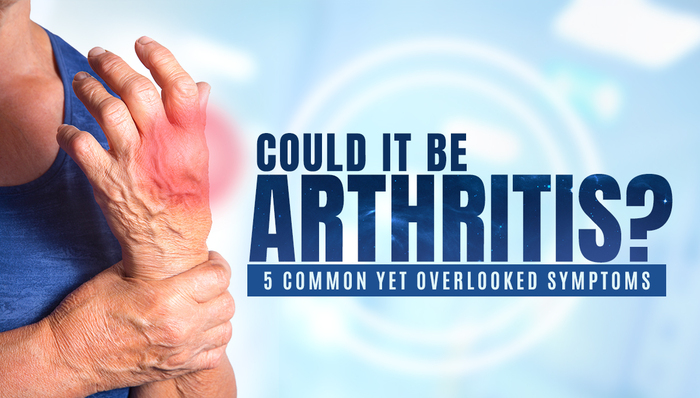
A person clutching their painful left wrist, which appears red and inflamed from arthritis, next to the text: Could it be arthritis? 5 common yet overlooked symptoms on a blue background.

Arthritis is the inflammation of one or more joints. This can cause pain, swelling and tenderness. About 350 million people worldwide suffer from arthritis. About 40 million of those people are Americans. Of those affected, over half are women.

Arthritis is commonly misconstrued as only affecting the aging or elderly. However, more than half of those with arthritis are under the age of 65. With these staggering numbers, you might be wondering what the symptoms of arthritis are. You may wonder if you have it. Check out these 5 common yet overlooked symptoms of arthritis.

Painful swelling and inflammation

Swelling and inflammation are worse in the mornings when you wake up. The pain is typically found in the same joints on both sides of your body.

Stiffness

With arthritis, joint stiffness usually happens gradually. This is why it’s important to seek treatment as soon as you start seeing symptoms to avoid losing further mobility.

Tenderness

Joints can become not only sore and swollen, but also tender to even the gentlest of touches. This can be particularly true of gout, which is a specific type of arthritis.

Fever

Fever is often a sign of infection somewhere in the body. It is important that you call your doctor immediately if you experience fever along with your joint pain.

Rash

Typically associated with juvenile rheumatoid arthritis, blotchy rashes can be an early symptom. This rash is usually found on the arms and legs. Juvenile rheumatoid arthritis also has unique symptoms of loss of appetite, weight loss, and anemia.

If you take over-the-counter anti-inflammatory pain medications for joint pain or if you have any of the following symptoms associated with your joint pain, consider seeking medical attention.

  • Rapid swelling
  • Immobility of joint
  • Loss of function
  • Unable to exercise without pain
  • Severe pain

Do you suffer from arthritis pain? We may be able to help.  Schedule an appointment with Solstice Health for more information.  262-354-3100

Tips for Treating Joint Swelling at Home

Smiling woman in athletic wear sits on grass outdoors, enjoying the sun. Text reads: Tips for treating joint swelling at home. The bright, tree-filled background adds a refreshing touch.

Swollen joints are limiting when it comes to your daily activities. They can certainly be a deal breaker when it comes to having fun. They are painful, uncomfortable and can put a damper on anything from dancing at a friend’s wedding to the simple daily walk up and down the stairs. The cause of swollen joints is inflammation due to a variety of reasons ranging from injury to disease. Check out these tips on treating joint swelling at home.

Massage

Treat yourself. Treat your joints. A massage will help relax your muscles, in turn easing your joint pain. This may not be a long-term cure; however, few will complain about having multiple spa days in their future.

Stretching

Go ahead and sign up for that yoga class you’ve wanted to try.   Over time, stretching increases flexibility and the ability to move. Yoga is a great low resistance way of practicing this. Plus, it has the added benefit of calming your mind. Something you may need when dealing with the frustration of painful joints.

Take a Warm Shower

Similar to the above-mentioned massage, taking a warm shower or bath can be simply relaxing. It also helps promote blood circulation, releases muscle tension and ultimately eases joint pain.

Exercise

It is important to find a daily exercise routine that works for your schedule. It will help improve strength and stamina. There are also the added benefits of releasing feel-good endorphins and clearing bad toxins from your body.

Eat More Fish 

Foods rich in omega-3 fatty acids help reduce swelling and inflammation. This healthy fat is found in salmon, sardines, mackerel, trout, flaxseeds, and walnuts. Try eating 3 to 4 ounces of fish, twice a week. If you don’t like fish, try a fish oil supplement.

These tips will help you manage your joint pain and swelling. However, at what point should you decide to go into the doctor for a more in-depth treatment? If you are having any of the following symptoms associated with your joint pain, consider seeking medical attention.

  • Rapid swelling
  • Immobility of joint
  • Loss of function
  • Unable to exercise without pain
  • Severe pain
  • If you are frequently taking over-the-counter anti-inflammatory pain medications for joint pain

Do you suffer from joint pain? Solstice Health may have a solution for you.  Call us today to schedule an appointment. 262-354-3101

10 Conditions That Can Be Treated with Regenerative Medicine

An older woman in athletic wear jogs along a beach. Text reads: 10 conditions that regenerative medicine can treat. The bright, uplifting scene highlights health and vitality.

Regenerative medicine involves using your own body’s tissue to help heal disease and injury. Solstice Health is the first center in Wisconsin and one of the few elite centers in the Midwest to offer adult mesenchymal stem cell injections for various orthopedic conditions and injuries. Before we list some conditions that can be treated by regenerative medicine, it may be helpful to know a little bit more about each treatment we offer.

What Is Platelet-Rich Plasma?

Platelet-rich plasma (PRP), or platelet concentrates, have been studied extensively since the 1990s. While similar products previously used in medicine (fibrin glue) are very expensive, PRP provides a cost-effective alternative. Plasma concentrates are a way to help the body finish the healing process and strengthen the weakened tissue. PRP is produced from a person’s own blood. It is a concentration of one type of cell, known as platelets, which circulate through the blood and are critical for blood clotting and release growth factors and mediators to aid in healing. Platelet-rich plasma can then be collected and delivered to an injured area of bone or soft tissue, such as a tendon or ligament. It is used for tendinopathies (tendon problems), in addition to problems with ligaments, muscles, meniscus, cartilage, bone, wound and intervertebral discs.

What Is Stem Cell Therapy?

Stem cell therapy focuses on delivering stem cells to parts of the body that are in need. Stem cells can be harvested from a patient’s own body from Adipose (fat) tissue or bone marrow. The tissue is processed into a stem cell concentrate and injected at the focal point of treatment in the patient’s body. Once the stem cell concentrate has entered the treatment site, the regeneration process begins. Stem cell therapy is completely safe as we are using what your body naturally produces, concentrating the desired critical components and transplanting them into the affected area for effective tissue regeneration and healing. There is no risk of rejection and very minimal overall procedural risk.

10 conditions that can be treated with regenerative medicine.

  1. COPD
  2. Type 1 Diabetes
  3. Erectile Dysfunction
  4. Multiple Sclerosis
  5. Osteoarthritis
  6. Parkinson’s Disease
  7. Rheumatoid Arthritis
  8. Spinal Cord Injuries
  9. Systemic Lupus Erythematosus
  10. Sports Injuries

Solstice Health is here to provide you with the latest adult autologous stem cell treatments. If you feel you may benefit from regenerative medicine, call us today to schedule an appointment. 262-347-3253

Common Conditions Associated with Food Sensitivities

A collage of various foods including bread, pasta, seeds, flour, and baked goods surrounds text in the center reading “Common food conditions associated with sensitivities.”.

Food sensitivities and allergies are on the rise in America. The health impact of food sensitivities or allergies can range from immediate hypersensitivity, such as hives and shortness of breath, to delayed inflammatory response, which can be seen as IBS, digestion pains, bowel irregularity, migraines, fatigue, mood disorders, ADHD, and other inflammatory conditions.

Food allergies, celiac disease and food sensitivities all cause immune-mediate inflammatory reactions. However, celiac disease affects <1% of the population, food allergies affects 4-6% of the population and food sensitivities affect 30-40% of the population. Food sensitivities are definitely the largest issue but also the most complex because they are not specific to immunocytes and can trigger the release of 100+ mediators.

At Solstice Health, we focus on identifying your food irritant through a Mediator Release Test (MRT) food sensitivity panel and reviewing a food diary with symptoms to determine foods that trigger episodes. Based on the laboratory blood work results, we will customize a meal plan to eliminate trigger foods and methodically add them back in while monitoring for symptoms.

What Is a Mediator Release Test?

MRT (Mediator Release Test) is the blood test component that measures the inflammatory reaction to 30 food chemicals and 120 foods. The LEAP (Lifestyle, Eating, And Performance) protocol is the process of using these results to treat unwanted symptoms. LEAP is a personalized elimination diet. Your CLT (Certified LEAP Therapist) will guide you through your results in order to greatly reduce or eliminate the unpleasant symptoms you may be suffering with.

Common Conditions Associated with Food Sensitivities

  • Irritable Bowel Syndrome (IBS)
  • Heartburn
  • Autism and ADHD
  • Chronic Diarrhea
  • Headaches and Migraines
  • Fatigue
  • Chronic Cramping
  • Fibromyalgia
  • Joint Pain

At Solstice Health, our personalized food sensitivities and allergy treatment plan include the following.

  • Personalized consultation
  • Comprehensive medical assessment with medical team
  • Education on the mechanisms of food allergies vs. food sensitivities
  • Foods that cause increase risk for reactions
  • Lifestyle changes to support wellness outcomes
  • Customized meal plan to improve health and prevent the root cause of allergies and sensitivities
  • Nutritional supplement analysis and recommendations to help balance the system and medications.

Call Solstice Health today to learn more! We have three convenient locations in Wisconsin: Oconomowoc, WI (262)-533-0322, New Berlin, WI (262)-505-6260, and Mequon, WI (262)-533-0322.

Exercise Tips for Optimal Joint Health

A woman in athletic wear stretches her leg on a stone wall outdoors under a blue sky, promoting joint health. Text reads “Exercise Tips for Optimal Joint Health.”.

Exercise is important for all of us. Whether you are in perfect shape or have painful joints, it is important to tailor your workout routine to your body’s needs. Exercise is meant to nurture your body, not hurt your body. That said, if you have painful joints, don’t let this stop you from giving your body the workout it needs. In fact, regular exercise can help ease your pain. Research shows that regular exercise helps reduce inflammation and even increase pain tolerance. Here are some helpful exercise tips for optimal joint health.

Always Warm Up

Jumping on a machine immediately after entering the gym can be detrimental to your joints. You must first warm up your body to loosen your muscles and tendons. Working out when these are still tight is what can lead to joint pain. Your warm-up can be as simple as light movement for 5 minutes to get your blood flowing. Perhaps try an easy walk.

Low-Impact Cardio

The more you move, the less stiff your joints will be. If you are looking to get your heart rate elevated but want a low-impact exercise option, try swimming, bicycling, rowing, exercising on an elliptical or even walking. These are the best options to protect your joints.

In addition to these low-impact exercises, you might want to try practices like yoga and Pilates. These help strengthen your ab and back muscles, which ultimately help maintain balance and lessen your likelihood of injury by falling.

Strengthen Your Muscles with Weights

Stronger muscles help to lessen strain on your joints. Add in some weight training to your exercise routine. Weight machines, free weights and resistance bands are all helpful in getting stronger and building muscle mass. You should take things slowly at the start. Always listen to your body. Try to incorporate weight training 2-3 times per week and alternate between upper body and lower body workouts.

Change Things Up

Overuse injuries are another culprit of joint pain. To avoid this, try not to do the exact same routine every day. Mix up your workouts. Perhaps you could try swimming one day and biking the next.

Stretch

It is important to keep your muscles and tendons flexible. After your workout, make sure to stretch all of the muscles you used that day. You’ll want to try and hold each stretch for 20 to 30 seconds.

It is important to find a daily exercise routine that works for your schedule. It will help improve strength and stamina. Added benefits include releasing feel-good endorphins and clearing bad toxins from your body.

Do you suffer from joint pain? We may have a solution for you. Call Solstice Health today to learn more! We have three convenient locations in Wisconsin: Oconomowoc, WI (262)-533-0322, New Berlin, WI (262)-505-6260, and Mequon, WI (262)-533-0322.

The Key to Successful Weight Loss Is…

A woman measuring her waist with a tape measure stands beside a large assortment of fresh fruits. Text reads, The key to successful weight loss is on a wooden background.

Studies show 80% of dieters are do-it-yourselfers who bounce from fad diet to fad diet, enjoying short-term success for a lifelong problem. Yes, short-term weight loss is a victory, albeit a minor one, but your ultimate triumph comes from keeping the weight off after dieting. To do this, you must go beyond weight loss and gain an understanding of how and why you gain weight in order to achieve and then maintain a balanced weight.  This is the key to successful weight loss.

Solstice Health Weight Loss Method

Our focus on making people well has allowed us to become the leading medical weight loss program in Wisconsin. We are committed to improving the health and well-being of all our clients. Our medical weight loss program uses Ideal Protein foods, and is designed to produce rapid weight loss with long-lasting results.

Our medically developed natural weight loss protocol gives dieters what they really want: a structured plan that empowers them with the knowledge to put an end to constant dieting. With a stable weight maintenance plan built right in, our dieters learn to eat smarter to sustain lifestyle changes that will assist them in achieving and maintaining better well-being.

With our focus on correcting pancreatic dysfunction and high insulin levels, following our program as prescribed results in a 100% success rate and improved or most often cured diabetes, high cholesterol, and high blood pressure. This gives our patients a new lease on life. Burning fat while supporting and maintaining muscle mass is vitally important for all levels of performance, including cardiac function, and it is an equally important focus of our program. Learn as you go when, why, and in what combination to eat carbohydrates (sugars), fat, and protein. Utilize all of this knowledge and maintain your results for life.

How This Method Works

There are four phases in the Solstice Weight Loss Protocol. During all four phases, you will receive one-on-one coaching, teaching you how your body packs on pounds and what you should be eating to maintain a stable weight.

Phase One is the primary weight loss phase. You will lose 100% of your weight loss goal during this phase. In Phase Two, the amount of Ideal Protein products you consume will drop from 3 to 2, reducing the cost as you make progress. You will only be on Phase Two for a maximum of 2 weeks. Phase Three will focus on weight stabilization and gradually reintroduce carbohydrates and healthy fats into your diet (in the morning only). Once your weight is stabilized, you will move to the fourth and final phase, which is freedom, where you will apply the smarter eating education you have received from your personal weight loss coach that will assist you in maintaining a stable weight after the program.

Why 4 phases? Why not stop after weight loss? Anyone can lose weight…learning how you can maintain a stable weight should be your ultimate goal. To achieve your weight loss goals and maintain the results, a weight loss program must empower dieters with the knowledge to develop balanced organic eating habits and smarter, sustainable lifestyle choices. This is the Solstice Health difference.

Benefits of This Method

Solstice Health members enjoy a weight-loss program specifically tailored to their individual needs. Women lose on average 2-4 pounds per week while men lose on average 4-7 pounds per week, simply based on higher muscle mass. With our weight loss method, not only can you lose weight, but once you lose your excess pounds, studies show you will experience improved health benefits including a significant reduction in your overall risk of cancer.

Once your body is ready to take the next step to better well-being, it’s up to you to maintain that focus…but you won’t be alone. As a Solstice Health member, your weight loss is carefully supervised by your personal weight loss coach. This one-on-one guidance empowers you with the knowledge and essential nutritional education you need to make smarter lifestyle changes that will help you maintain a balanced weight.

Find out how Solstice Health can help you lose weight while teaching you smarter lifestyle strategies to ensure you maintain a stable weight. Contact us today and begin your journey to optimal health! 262-239-7353

Organic Foods vs. GMO Foods vs. Non-GMO Foods

A yellow crop-dusting plane sprays a green field. Text in the foreground reads: ORGANIC FOODS vs GMO FOODS vs NON-GMO FOODS in bold white letters with red boxes highlighting vs, emphasizing the debate around GMO foods.

One of the biggest hot topics of our time is the question of whether organic food is inherently better or healthier than genetically modified food (GMO). And what about Non-GMO? With more people seeking healthier lifestyles, having a solid diet is one of the key ingredients of maintaining such a lifestyle. However, few people are aware of what actually constitutes as organic and genetically modified food, and whether or not Non-GMO is organic.

At Solstice Health, we want to ensure that you and your family are knowledgeable about how to live healthy and happy lives. So, let’s go over some basic questions: What is organic food and does it provide any specific benefits for you and your family? Is genetically modified food something to be concerned about?

What Does “Organic” Mean?

For starters, the term “organic” simply refers to the method in which agricultural products are grown and processed. Strict Organic standards of food production are designed in a way that eliminates the use of chemicals and pesticides used in their ingredients and production. For example, animals raised for the purpose of food or dairy production would not be provided any growth hormones or antibiotics and are only fed with organic products. Another example would be how crops are grown. Organically grown crops are not treated with sludge-based fertilizer or synthetic pesticides. Organic crops are also not genetically engineered or provided artificial preservatives or ionizing radiation. Before labeling any product as “organic”, the farms and the companies that process or handle organic food go through a rigorous and continuously monitored certification process to assure that all standards are met.

Due to the lack of artificial and synthetic ingredients, it is important to note the distinct health benefits of consuming organic whole foods which is supported by research. Many also report being able to fully taste and enjoy the food more. Organic food is brought about the old-fashioned way and aims to be as fresh, natural, and healthy as possible. On the other hand, genetically modified organisms, or GMOs, differ greatly than their organic counterparts.

What Does GMO Mean?

GMOs are a result of a laboratory process in which genes are extracted from bacteria, viruses, insects, plants, animals and even humans, and are artificially combined with the genes of an unrelated plant or animal. This process is called “genetic engineering” or “genetic modification.” The resulting transgenic organisms can be found in a majority of processed foods in North America. Although there have been strides to improve nutritional benefits from genetic engineering, there has been no concrete evidence for any health benefits. Rather, GMOs have been connected to allergic reactions as well as sick, sterile and dead livestock. Lab animal tests have also shown that GMOs damage organs and overall health. Since the introduction of GMOs into the U.S. market in the 1990s, there is a direct correlation between the exponential rise of the use of glyphosate (Roundup) in production, and many human diseases and allergies.

If anything, GMO foods are only an economic benefit. They are easier to mass produce and more cost-efficient. For instance, genetically modified plants have been able to sustain herbicide tolerance and the ability to produce an inherent pesticide. This sounds like a money-saver for companies and a time-saver for farmers, but this ultimately means that the plant is toxic. This economic cost-savings should be measured against the extreme cost of resultant disease which has contributed to healthcare approaching 20% of our GDP. The FDA also does not require labeling of GMOs in food ingredient lists, so you need to research to know where your food is coming from.

What Does Non-GMO Mean?

While there certainly may be some benefit to Non-GMO food, it is important to be aware that all organic food by definition is Non-GMO, but that does not mean that all Non-GMO food is organic. The Non-GMO Project is a nonprofit that verifies the contents of GMO-free food which is made up of 0.9 percent or fewer genetically modified ingredients. The FDA, however, has not set any standards to regulate the use of this claim on any label, and therefore essentially anyone can claim their product is Non-GMO. Furthermore, there are no special restrictions which prohibit toxic pesticides from being used on Non-GMO crops. This makes it very difficult for consumers to research and understand where and how these products are sourced.

Unfortunately, mainstream media and large companies have a significant influence on how society views food production. They don’t tend to prioritize their audience’s health, so it is up to you to do your research. Based on the above information, it is clear that USDA Organic whole food is the healthiest and cleanest option for a disease prevention lifestyle. We’ve provided a quick snippet of what Organic, GMO, and Non-GMO foods are, but there is much more to learn. Research for yourself, for your family, and especially for your children.


For a list of resources and how to live a naturally healthier lifestyle, please contact us at 262-239-7353.